
Using technology to help both the user and the company deploying it is nothing new. In fact, it is the crux of why we develop new software and devices.
Security can often be seen as fairly one sided, but this is entirely inaccurate, it keeps everyone safer and keeps a more secure environment.
Automatic Number Plate Recognition (ANPR) is a form of car management technology that can be part of a wider parking management system that is designed to help oversee parking and vehicle access at a location.
In this guide, we will be looking at ANPR camera technology for both gates and barriers, breaking it down into easy to understand areas and answering some ANPR FAQs. We will also be looking at the benefits of this technology and how it works.
What is ANPR?
ANPR or Automatic Number Plate Recognition is pretty much what it says on the tin. ANPR is a technology that reads number plates via a camera and transmits the data to the system.
Depending on the reader model, number plates can be read in a range of weather conditions and speeds up to, and above, 100 miles per hour.
This technology can be deployed anywhere you want to keep track of cars coming in and out of a location, but you have probably seen it utilised in car parks in various locations.
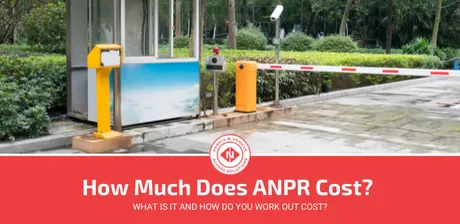
If you have ever been leaving a car park and go to put your ticket in the machine and the barrier or gate automatically goes up, this is ANPR. The machine has recognised your plate, acknowledging you have already paid and allowing you to exit quicker.
ANPR is referred to as different things around the world, one of the common other names is Automatic License Plate Recognition (ALPR) in the US and Canada, due to the plates on vehicles referred to as license plates, not number plates.
Key Components of ANPR for Gates & Barriers
The ANPR systems are fairly easy to understand, but let us look at what makes up this technology and what is required for it to work.
To keep it simple, there are three major parts to an Automatic Number Plate Recognition system; cameras, gates or barriers, and the database or software.
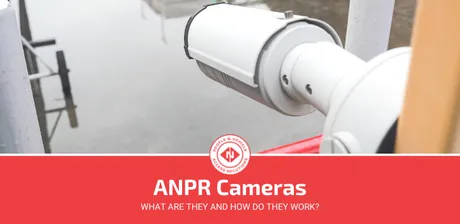
- Cameras: these devices are set up next to the gates or barriers and will scan approaching vehicles’ licence plates, either to grant entry to pre-authorised vehicles or to scan new plates.
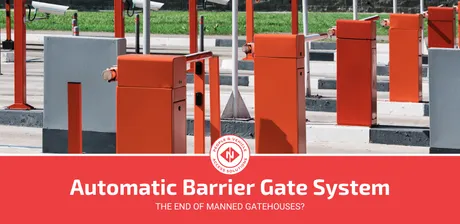
- Gates & Barriers: directly linked to the cameras, the gate or barrier will open when all criteria has been met. This can be a recognised plate or allowing a new vehicle entry, this depends on where and how the technology is being used. Gates are typically used for perimeter access, while barriers are common in car parks and controlled parking environments.
- Management Software: this is the database where the information is stored, and how you can control who has access and who does not. In the system, you will be able to see who came in and out, at what times, and pre-authorise or limit certain vehicles.
Obviously, this differs depending on how you apply your ANPR, a car park for instance tracks who has paid, a company car park would track employee plates.
How Does ANPR Work?
Automatic License Plate Recognition cameras can be used in a wide variety of settings from car parks to company offices, to police vehicle checks, but how do they work?
ANPR technology basically reads a registration plate when the vehicle is within its scan radius and will either enter it into a database or scan it against the records.
This depends on where it is being deployed, a car park will scan new vehicles, whereas a company’s headquarters may only let pre-authorised vehicles in.
ANPR Systems can work in two different ways, to oversimplify, they can capture either:
- Still Images - either one or a series of images to recognise a vehicle
- Video Clips - short video footage to help recognise the plate quickly and effectively
Some of this technology uses Optical Character Recognition (OCR) which basically allows the cameras to digitally read and extract the alphanumeric characters from the digital footage.
The 7 Algorithms of Plate Reading
ANPR software has to be able to recognise and correctly determine license plates from different regions and countries around the world, ANPR systems will typically have 7 algorithms embedded in the software to help read plates.
- Plate Localisation - how the system finds where the plate is on a photo or video footage.
- Orientation & Sizing - this allows the image to be adjusted to read the plate easier.
- Normalisation - editing the settings of the picture (such as brightness and contrast) to keep images consistent.
- Character Segmentation - this keeps the different characters separate for ease of reading the plate.
- OCR - Optical Character Recognition determines what each alphanumeric character is and converts them into textual data.
- Geometrical Analysis - checks the data against different countries and regions across the world and their license styles and patterns.
- Recognised Values - the previous algorithms are cross compared to ensure the information is correct, giving the best end result, accounting for lighting, weather and blur.
What are the Benefits of ANPR for Gates & Barriers?
Automatic Number Plate Recognition technology has a wide variety of benefits that can be attributed to it, so we will be covering three core areas: operational benefits, user benefits, and how they apply to both gate and barrier systems.
These benefits will be fairly universal so they can be applied to most uses of an ANPR system and would affect most companies using them.
Operational Benefits
Easy Management
One of the major concerns companies have when deploying new technology or systems is the ease of installation or the ability to manage it post-implementation. ANPR systems are seen as a hands-off approach to vehicle access control.
ANPR technology is managed by a database that is typically very user friendly and designed to be used by any skill level, with simple settings and features to customise the experience.
Lower Staff Costs
From a business perspective, you will need less staff to look after your car park, gate, or location. Knowing you have entry and exits covered by a gate or barrier allows you to free up staff to do other jobs or patrol without worrying about unauthorised access.
Available Around the Clock
Having an automated system gives you the flexibility to control and manage your locations around the clock. As opposed to a security team, a machine is cheaper and does not need to worry about shift times or breaks.
This gives you the option to have a 24/7 operation that is secure at any time. In addition, the majority, if not all, of ANPR systems are designed for any weather and lighting conditions so work whenever you need them to.
Eliminate Human Error
Removing the majority of human intervention reduces the chances of human error in the system. This could come in many forms, but with an ANPR gate or barrier system, most sources of error are eliminated. Whether it is misreading a plate, forgetting to log a vehicle, or leaving a gate open, automation handles it all.
Near Perfect Accuracy
Higher end ANPR systems vary between 95-100% accuracy rate depending on which one you get.
The only times the information may truly be skewed is when something is blocking the camera or the plate, such as debris, dirt, or dust.
Improved Security
ANPR for gate and barrier systems give you an added layer of location management and with this, an improved overall security infrastructure.
On certain systems, additional features range from a form of red flag list that tells you when a vehicle you have pre-flagged is scanned. This could be unauthorised vehicles or persistent criminals.
User Benefits
Speeds Up User Experience
Finding ways to benefit your users is an additional benefit when installing a new security or management measure. Having an ANPR system allows for a smooth and easy user experience.
Let us put this into context, the gate or barrier may automatically recognise a car and let the driver through as they drive up, saving the user valuable time.
No Learning Curve
Normally, reluctance to embrace new technology stems from the time or effort it takes to learn how to use it. This is where Automatic Number Plate Recognition comes into its own, there is no learning curve for users, as the name suggests, it’s automatic.
When implementing new methods or procedures it is always important to consider the end user, in this case, the drivers. Choosing technology that benefits both you and them creates a much higher approval rate.
Physical Barrier
As a driver, we are frequently concerned about where we leave our vehicles and the security of an area we disembark our car. Gates and barriers act as a form of deterrent for unauthorised people and vehicles.
Having an ANPR system that is linked to a gate or barrier means visitors and drivers can be more comfortable knowing only authorised vehicles and persons are allowed on the premises.
Automated
As we have alluded to above, the fact that ANPR is automated makes it useful for drivers and creates a seamless experience for them. Automation means that any time the driver needs to access a gate or barrier-controlled area they can get in without human intervention.
This directly links to the operational benefit of not having to staff the gates or barriers around the clock and allows everyone access when they need it.
How Does ANPR Work with Parking Management?
Remember the days of long queues and fumbling for change at car parks?
Automatic Number Plate Recognition (ANPR) technology is rapidly making these frustrations a thing of the past. Let’s explore how ANPR is transforming parking management, benefiting both operators and drivers alike.
Streamlining Access Control
ANPR systems act as silent gatekeepers of modern car parks. As vehicles approach a gate or barrier, cameras capture license plate details and cross-reference them with a database, allowing authorised vehicles to enter smoothly.
This frictionless process significantly reduces queue times, with some facilities reporting up to a 70% reduction during peak hours.
Moreover, ANPR enhances security by alerting operators to unauthorised vehicles or those on watchlists.
Optimising Pre-Paid Parking
Gone are the days of lost tickets and disputed fees. ANPR brings clarity and convenience to pre-paid parking by automatically recognising pre-paid vehicles and granting access through barriers without driver intervention.
The system offers flexible payment options, allowing drivers to pay in advance online, through mobile apps, or at on-site terminals.
For those who exceed their pre-paid time, the system can automatically calculate additional fees, payable at exit or online.
Maximising Space Utilisation
ANPR doesn’t just control access; it helps parking operators optimise their space.
By tracking real-time occupancy data, the system can guide drivers to open spots and help operators manage capacity effectively.
Analysis of entry and exit data allows operators to identify peak times and adjust staffing or pricing accordingly. ANPR also simplifies the management of reserved spaces for VIPs, employees, or electric vehicles.
Coupled with an effective parking management system software, this can offer a cost-effective solution to manage parking spaces and congestion on site.
What Industries Can Benefit From ANPR Gate & Barrier Systems?
Automatic Number Plate Recognition (ANPR) technology is securing gate and barrier access across various industries.
Let’s explore how different sectors are leveraging this innovative solution to enhance security, streamline operations, and improve user experience.
Vehicle Access Control: Streamlining Traffic Flow
From bustling corporate campuses to high-traffic logistics centres, ANPR-based gate and barrier systems are optimising vehicle access control.
Key Benefits:
- Automated entry for authorised vehicles
- Detailed logs of vehicle movements for security and operational insights
- Reduced congestion at entry points
Potential Challenges:
- Handling temporary visitors or contractors
- Ensuring system accuracy in various weather conditions
Example: Nortech worked with a major logistics company to implement ANPR at their distribution centres, cutting average entry times from an average 2 minutes to just 15 seconds per vehicle.
Gated Communities: Balancing Security and Convenience
ANPR technology is helping gated communities strike the perfect balance between tight security and resident convenience.
Key Benefits:
- Frictionless access for residents
- Efficient management of visitor entry
- Enhanced community security through unauthorized vehicle alerts
Potential Challenges:
- Managing multiple vehicles per household
- Integrating with existing community management systems
Example: Nottingham Park Estate installed ANPR, replacing the old vehicle tag system. The ANPR system was connected with Norpass to improve site security for residents, visitors and tradesmen.
Educational Institutions: Simplifying Campus Access
Universities and schools are discovering the benefits of ANPR systems for managing campus parking and enhancing overall security.
Key Benefits:
- Automated access for faculty, staff, and registered student vehicles
- Efficient management of limited parking spaces
- Improved campus security through vehicle monitoring
Potential Challenges:
- Handling high turnover of student vehicles each academic year
- Managing special events with increased visitor traffic
Example: Sleaford College implemented an ANPR system into their existing infrastructure to improve school perimeter security whilst also reducing congestion on-site from unauthorised vehicles.
Additional Industries Using ANPR Gates & Barriers
Beyond the examples above, ANPR gate and barrier systems are used across a broad range of sectors:
- Private Car Parks
- Company Car Parks
- Police Forces
- Contract Parking
- Hotels
- Distribution Centres
- Prisons
- Hospitals
- Freeports and Storage Locations
- Security
- Gyms, Health Clubs, and Sport Centres
- Fleet Management
- Holiday Parks and Caravan Sites
Number Plate Recognition technology has even been more recently used in Low Emission Zones around London as a form of traffic management.
As these examples demonstrate, ANPR for gates and barriers offers versatile solutions across various industries.
While the specific applications may differ, the core benefits of enhanced security, improved efficiency, and better user experience remain consistent. For a breakdown of what to budget, see our guide on ANPR system costs.
As technology continues to evolve, we can expect even more innovative uses of ANPR in vehicle access control systems.